Native Hawaiian Scholarship Program Lawsuit

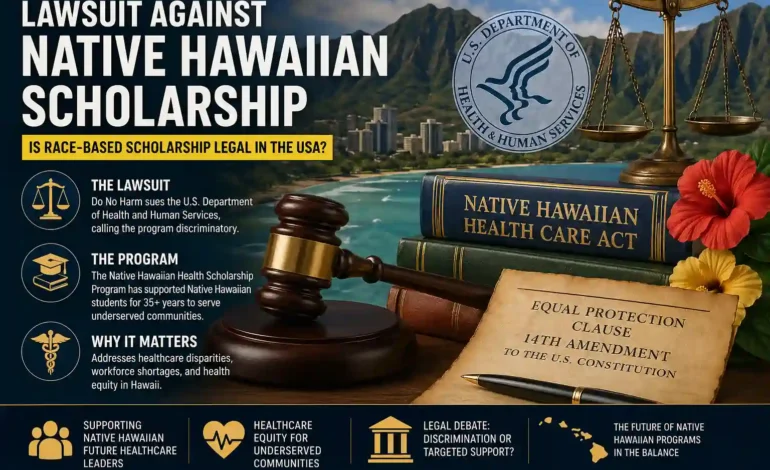
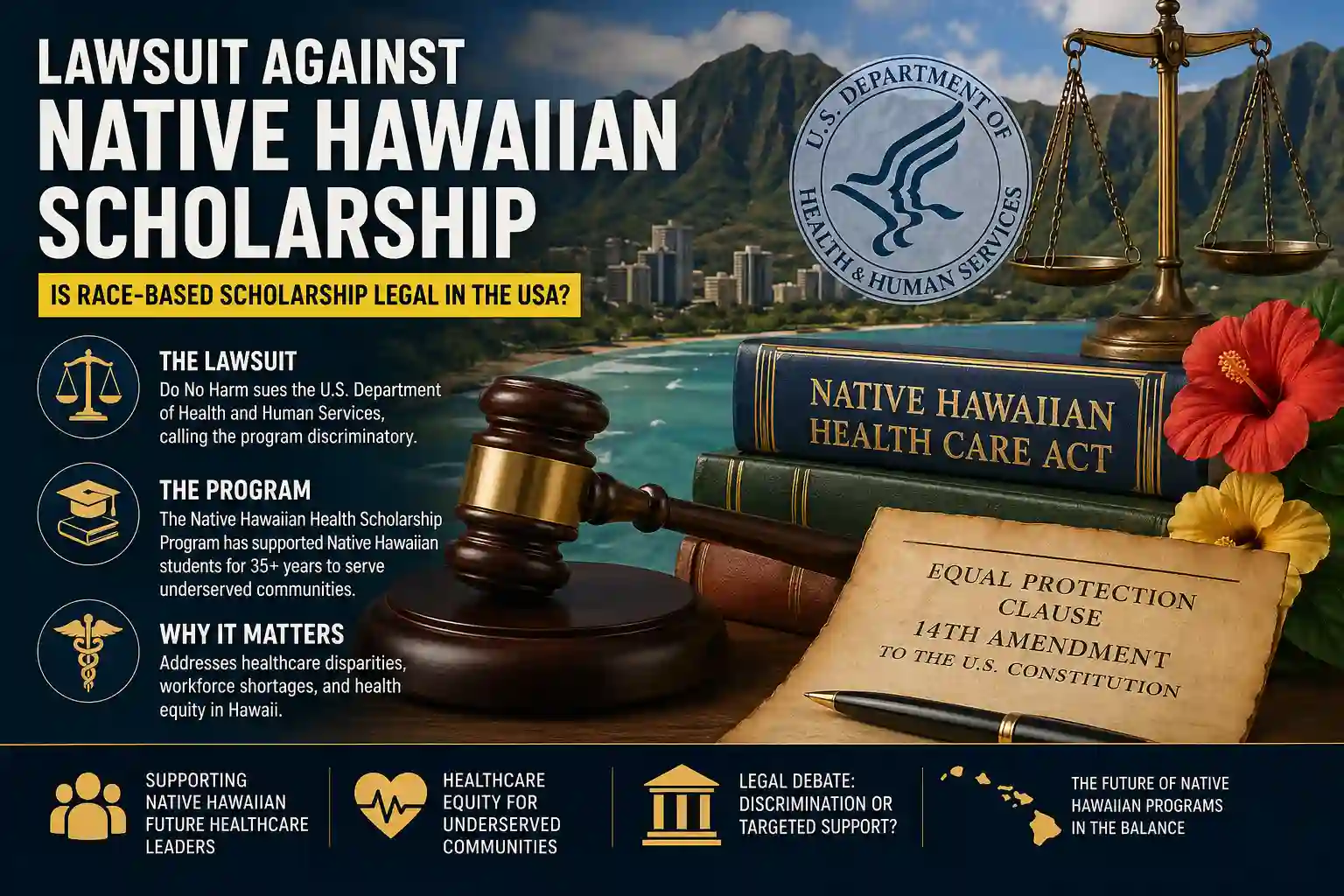
The Native Hawaiian Health Scholarship Program (NHSP) has been at the center of a controversial lawsuit that raises questions about race-based scholarships, legal protections under the U.S. Constitution, and the healthcare disparities facing Native Hawaiian communities. This article delves into the background of the lawsuit, its legal implications, and the impact on healthcare and education in Hawaii.
What Is the Native Hawaiian Health Scholarship Program?
The Native Hawaiian Health Scholarship Program (NHSP) was established over three decades ago under the Native Hawaiian Health Care Act. The program aims to address the significant healthcare disparities faced by Native Hawaiians, a group historically underserved in the U.S. healthcare system.
The NHSP provides scholarships to Native Hawaiians pursuing careers in healthcare, including doctors, nurses, and social workers, to encourage them to serve in the state’s most underserved regions. Since its inception, over 324 recipients have benefited from nearly 360 scholarships awarded, with a strong track record of placing graduates in areas with critical healthcare needs. The program has been instrumental in addressing Hawaii’s healthcare workforce shortages and improving access to care.
In comparison, the National Health Service Corps (NHSC), which serves underrepresented communities across the U.S., also focuses on placing healthcare professionals in underserved regions. However, the NHSP is unique in that it specifically targets the Native Hawaiian population, which suffers from distinct health challenges that are often overlooked in broader national programs.
Native Hawaiian Higher Education Program
In addition to the NHSP, the Native Hawaiian Higher Education Program supports educational initiatives for Native Hawaiians. This program, though separate, works alongside the NHSP to ensure that Native Hawaiians have access to the tools and resources they need to pursue higher education, particularly in fields like healthcare, education, and law.
Why Is the Program Being Sued?
The NHSP is now embroiled in a lawsuit filed by a group named Do No Harm, which has challenged the program’s race-based eligibility requirements. The plaintiffs, including notable figures like Stanley Goldfarb and Edward Blum, argue that race-based scholarships are unconstitutional under the Equal Protection Clause of the Fourteenth Amendment.
Goldfarb, a prominent critic of race-conscious admissions policies, and Blum, known for his involvement in the Students for Fair Admissions v. Harvard University case, have extended their influence to this case, which challenges the very foundation of race-based affirmative action in educational and healthcare programs.
Race-Based Eligibility
The lawsuit claims that the program’s race-based eligibility – which allows only Native Hawaiians or those with a specific ancestry to qualify – constitutes unlawful discrimination. It’s important to note that the plaintiffs are not arguing that the program itself is harmful or ineffective, but rather that it violates constitutional principles by favoring one group over another based on race and ancestry.
Legal Debate – Is It Unconstitutional?
At the heart of the debate is the Fourteenth Amendment to the U.S. Constitution, which guarantees equal protection under the law. This has been interpreted in various Supreme Court cases, including Brown v. Board of Education and more recently, Students for Fair Admissions v. Harvard, which challenged race-conscious admissions policies in higher education.
The legal issue centers on whether race-based scholarships violate the Equal Protection Clause by discriminating against individuals who do not qualify based on their race or ancestry. Many argue that such programs are necessary to address systemic inequalities, while others contend that merit-based selection should be the sole criterion for scholarships and admissions.
Students for Fair Admissions v. Kamehameha Schools
The Students for Fair Admissions case, which targeted Kamehameha Schools’ race-based admissions policies, offers a similar legal framework. The U.S. Supreme Court ruled that such practices may be justified if they serve a compelling state interest. The NHSP lawsuit echoes these arguments but applies them to healthcare rather than education.
The debate also touches on the broader societal issues of merit-based selection versus equity, the growing backlash against Diversity, Equity, and Inclusion (DEI) initiatives, and the constitutional challenges posed by race-conscious policies.
Why the Program Exists (Healthcare Crisis in Hawaii)
Hawaii has long faced healthcare disparities, with Native Hawaiians experiencing significantly poorer health outcomes compared to the general U.S. population. For example, Native Hawaiians have a life expectancy that is several years shorter than the national average. Chronic diseases such as diabetes and heart disease are more prevalent, and mortality rates are higher among this group.
Healthcare Workforce Gap
In addition to these disparities, Hawaii suffers from a shortage of healthcare professionals, particularly in rural areas where the Native Hawaiian population is concentrated. The NHSP directly addresses this gap by providing scholarships to Native Hawaiians who are willing to work in these underserved regions.
Currently, Hawaii has significant shortages of doctors, nurses, therapists, and other healthcare professionals, exacerbating the challenges faced by Native Hawaiian communities. The NHSP aims to reduce these disparities by encouraging Native Hawaiians to enter healthcare fields and return to their communities to provide critical care.
Real Impact – Stories & Experts
The program has had a profound impact on the healthcare workforce in Hawaii. For example, Daniel Garcia, a graduate of the NHSP, now works with the Maui Medical Group, providing much-needed healthcare services to the island’s rural areas. Dee-Ann Carpenter, a faculty member at the University of Hawaii, emphasizes the importance of the NHSP in training healthcare professionals who are culturally competent and understand the unique needs of Native Hawaiian communities.
Sheri-Ann Daniels, Executive Director of Papa Ola Lōkahi, a Native Hawaiian health organization, also highlights the role of the NHSP in addressing the cultural and healthcare needs of the community. She explains that the program plays a crucial role in overcoming historical injustices by providing opportunities to Native Hawaiians to serve their own people.
Political Reactions & Government Role
The lawsuit has sparked mixed reactions from political leaders in Hawaii and beyond. Esther Kiaʻāina, a former Assistant Secretary for Indian Affairs at the U.S. Department of the Interior, has expressed concern that such legal challenges threaten the progress made in addressing healthcare disparities among Native Hawaiians.
The debate also touches on the broader political context of Native Hawaiian sovereignty. The federal government has a trust relationship with Native Hawaiians, similar to the trust obligations owed to Native American tribes. Some advocates argue that the lawsuit undermines this trust and risks erasing hard-won gains in healthcare access for Native Hawaiians.
Obama and Trump on DEI Policies
Political figures like Barack Obama have long supported race-conscious policies, while Donald Trump’s administration sought to limit the scope of DEI initiatives in federal programs. The outcome of the NHSP lawsuit may influence future government policies on race-based scholarships and affirmative action.
Other Laws & Programs at Risk
If the lawsuit succeeds, other programs designed to benefit Native Hawaiians, such as the Native Hawaiian Education Act and the Hawaiian Homes Commission Act, could also come under legal scrutiny. These programs are vital for providing educational opportunities and addressing housing shortages for Native Hawaiians, and a ruling against the NHSP could set a precedent for their dismantling.
Data & Program Outcomes
The NHSP has had a measurable impact on Hawaii’s healthcare system. To date, the program has awarded nearly 360 scholarships, resulting in the graduation of 108 nurses, 71 doctors, and 49 social workers. These professionals are placing their skills in communities that need them the most, making a lasting difference in healthcare access and outcomes.
Broader Debate – Equity vs Merit
The lawsuit has sparked a broader debate about the balance between equity and merit in scholarship programs. Advocates argue that minority support programs like the NHSP are crucial for addressing systemic inequalities, while opponents contend that such programs unfairly disadvantage students based on race.
Kristina Rasmussen, a policy expert, notes that these programs are often essential for leveling the playing field, particularly in areas with significant historical disadvantages.
Media Coverage & Public Narrative
The Native Hawaiian Health Scholarship Program lawsuit has received significant media attention, with coverage from outlets like The Guardian, Honolulu Civil Beat, and Hawaii News Now. Journalists such as Nick Visser and Mahealani Richardson have provided in-depth analysis of the legal and social implications of the lawsuit.
What Happens Next? (Future Impact)
The future of the Native Hawaiian Health Scholarship Program may ultimately be determined by the U.S. Supreme Court. If the Court rules against race-based scholarships, it could trigger widespread changes to affirmative action policies, not just in healthcare, but in education and employment across the country.
FAQ’s
1. What is the Native Hawaiian Health Scholarship Program?
The Native Hawaiian Health Scholarship Program (NHSP) was created to address healthcare disparities in Native Hawaiian communities by providing scholarships to individuals pursuing careers in healthcare. The program aims to increase the number of Native Hawaiian healthcare professionals, especially in underserved areas of Hawaii, to meet the healthcare needs of this population.
2. Why is the Native Hawaiian Health Scholarship Program being sued?
The NHSP is being challenged by the group Do No Harm, which argues that the program’s race-based eligibility requirements, which prioritize Native Hawaiians, violate the Equal Protection Clause of the Fourteenth Amendment. The lawsuit questions whether race-based scholarships are constitutional under U.S. law.
3. Who is behind the lawsuit against the Native Hawaiian Scholarship Program?
The lawsuit is backed by prominent figures like Stanley Goldfarb and Edward Blum. Goldfarb, a vocal critic of race-conscious policies in education and healthcare, and Blum, known for his work on the Students for Fair Admissions case, both advocate against race-based eligibility criteria.
4. What is the Equal Protection Clause of the Fourteenth Amendment?
The Equal Protection Clause guarantees that no state shall deny any person equal protection under the law. It is a key aspect of the Fourteenth Amendment to the U.S. Constitution, and the NHSP lawsuit argues that race-based programs violate this clause by offering preferences based on race or ancestry.
5. How does the NHSP differ from other national scholarship programs like the National Health Service Corps?
While both the NHSP and the National Health Service Corps (NHSC) aim to provide healthcare professionals to underserved areas, the NHSP is specifically targeted at Native Hawaiians. The NHSC serves underrepresented populations nationwide, while the NHSP focuses on a specific ethnic group with historical and ongoing healthcare disparities.
6. What are the main legal arguments against race-based scholarships?
The main legal argument against race-based scholarships is that they violate the Equal Protection Clause of the Fourteenth Amendment, which mandates that all individuals receive equal protection under the law. Critics argue that race-based scholarships unfairly discriminate against those not of the eligible race or ethnicity.
7. What are the healthcare disparities facing Native Hawaiians?
Native Hawaiians face significant health disparities, including lower life expectancy, higher rates of chronic diseases like diabetes and heart disease, and higher mortality rates compared to the general U.S. population. These health disparities are worsened by a shortage of healthcare professionals in rural areas, particularly in communities with a large Native Hawaiian population.
8. What role does the U.S. government play in the Native Hawaiian Health Scholarship Program?
The U.S. government plays a critical role by funding and supporting programs like the NHSP under the Native Hawaiian Health Care Act. This reflects a federal trust relationship with Native Hawaiians, which recognizes their unique needs and seeks to rectify historical injustices through targeted support in healthcare, education, and other areas.
9. How does the lawsuit impact Native Hawaiian healthcare workers?
If the lawsuit is successful, it could eliminate race-based scholarships like the NHSP, potentially leading to a shortage of healthcare workers in Native Hawaiian communities. It would undermine efforts to address healthcare disparities and worsen the already existing gap in healthcare access for this population.
10. What is the impact of the lawsuit on the overall Native Hawaiian community?
The lawsuit could reduce access to education and healthcare resources for Native Hawaiians by potentially eliminating programs that prioritize this group. It may also signal a shift away from race-conscious programs aimed at addressing historical inequities.
11. What are the potential consequences for other race-based scholarship programs?
If the lawsuit is successful, it could set a precedent that challenges the legality of race-based scholarships across the United States. Programs designed to aid minority groups, such as those targeting African Americans, Native Americans, and Hispanic Americans, could face similar legal challenges.
12. Who qualifies for Native Hawaiian scholarships under the NHSP?
To qualify for the Native Hawaiian Health Scholarship Program, applicants must be of Native Hawaiian ancestry, as defined by the program. The program prioritizes those who commit to working in underserved healthcare areas in Hawaii after completing their education.
13. What is the role of Edward Blum in the lawsuit?
Edward Blum is a key figure behind the legal challenge, as he has been involved in various lawsuits aimed at ending race-conscious admissions and scholarship policies. He is known for his advocacy against affirmative action and has previously been involved in the Students for Fair Admissions case, which challenged race-based college admissions.
14. What is the political significance of this lawsuit?
This lawsuit has political significance because it highlights the broader debate over race-based policies in the U.S., particularly in the context of healthcare, education, and affirmative action. It pits legal arguments about equality and fairness against efforts to address historical and systemic inequities.
15. What is the government-to-government relationship between Native Hawaiians and the U.S. government?
The government-to-government relationship refers to the recognition of Native Hawaiians as a distinct group with unique needs and rights. This relationship includes federal obligations to support programs like the NHSP, which aim to address health, education, and cultural issues specific to Native Hawaiians.
16. How might this lawsuit affect other Native Hawaiian-focused programs?
If the lawsuit succeeds, it could lead to challenges against other Native Hawaiian-focused programs, including the Native Hawaiian Education Act and the Hawaiian Homes Commission Act. These programs are designed to support Native Hawaiian communities and could be at risk if race-based criteria are ruled unconstitutional.
17. What is the historical context behind the Native Hawaiian Health Scholarship Program?
The Native Hawaiian Health Scholarship Program was established to address the healthcare disparities faced by Native Hawaiians, who have historically experienced poor health outcomes due to a combination of social, economic, and healthcare system inequities. This program was designed to increase Native Hawaiian representation in the healthcare workforce and improve care for their communities.
18. How does the lawsuit impact the future of minority scholarships?
The lawsuit against the NHSP could set a legal precedent that affects the future of all minority scholarships in the U.S. A ruling against race-based scholarships could lead to a reexamination of affirmative action policies and impact how scholarships are awarded to underrepresented groups across the country.
19. What other sectors might be affected by the lawsuit?
Beyond healthcare and education, the lawsuit may impact other sectors where race-based programs are common, such as in government contracting, employment, and civil rights initiatives. The legal principles established in this case could influence policies in a wide range of public and private sectors.
20. What is the role of the U.S. Supreme Court in this case?
The U.S. Supreme Court will likely play a pivotal role in determining whether race-based scholarships like the NHSP are constitutional. The Court’s ruling on this case could have long-lasting effects on affirmative action policies nationwide, particularly in higher education and public services.
21. What are some of the challenges faced by healthcare workers in Hawaii?
Healthcare workers in Hawaii face several challenges, including the state’s geographical isolation, a shortage of medical professionals, especially in rural and underserved areas, and the high cost of living. These factors contribute to the need for targeted scholarship programs to attract healthcare professionals to these communities.
22. What is the importance of the NHSP in addressing healthcare disparities?
The NHSP is crucial in addressing healthcare disparities by training Native Hawaiians to serve their own communities. By encouraging individuals from these communities to enter the healthcare field and return to practice in underserved areas, the program helps alleviate the shortage of healthcare professionals and improves access to care for Native Hawaiians.
23. How does the lawsuit affect Native Hawaiian sovereignty?
The lawsuit touches on Native Hawaiian sovereignty by questioning the legality of programs that are designed specifically for Native Hawaiians. Some advocates argue that such programs are an essential part of recognizing and upholding Native Hawaiian sovereignty and addressing historical injustices.
24. What is the future of affirmative action policies in the U.S.?
The outcome of this lawsuit could signal a shift in the U.S. towards limiting or even eliminating affirmative action policies. The future of such policies will depend on how the courts interpret constitutional protections related to equal treatment and whether they see race-based policies as a necessary tool for addressing systemic inequities.
25. What happens next in the lawsuit?
The lawsuit is still ongoing, and its outcome will likely depend on the legal arguments presented by both sides. If the case proceeds to the U.S. Supreme Court, it could take several years before a final decision is made, and that decision could have significant implications for race-based programs in the U.S.