Oboe Scholarships Available

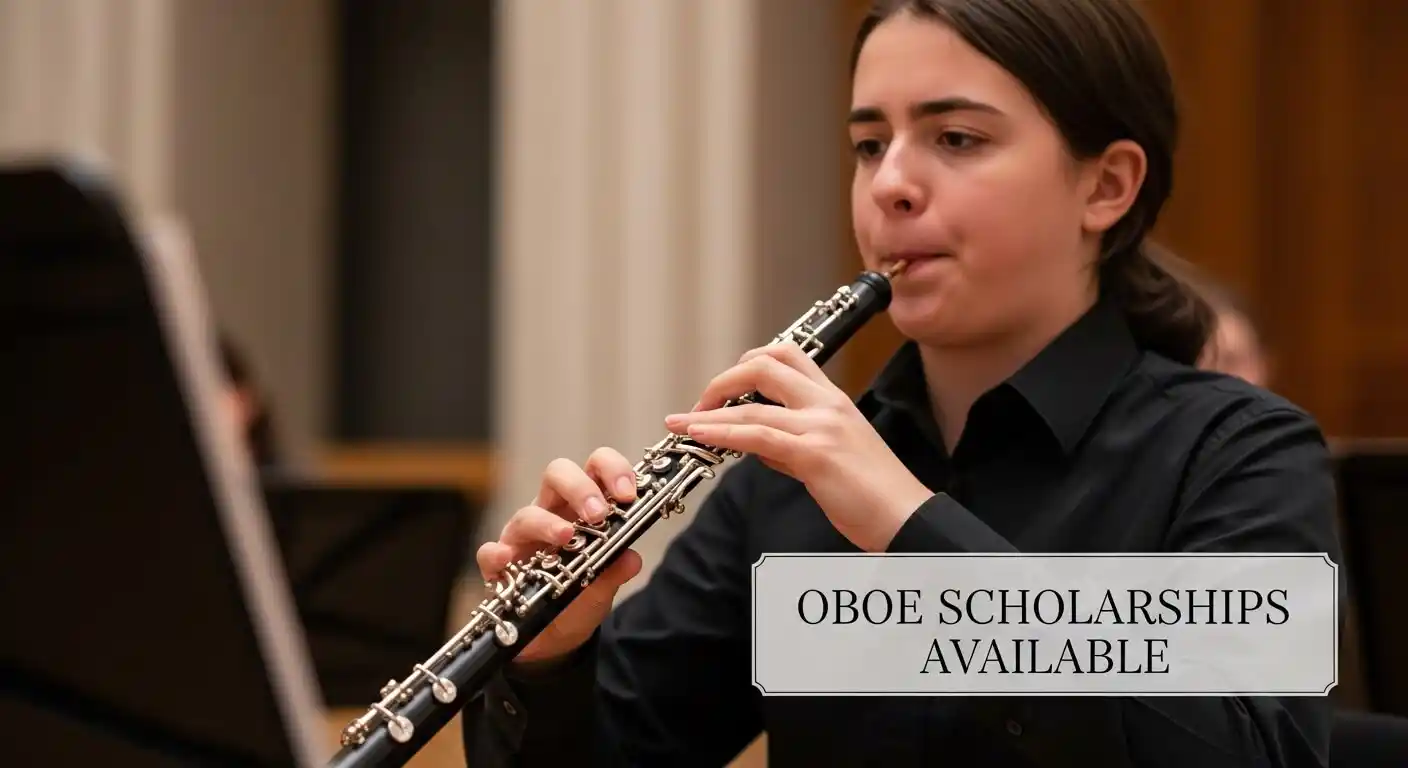
How many people have actually gotten a scholarship playing oboe?
Throughout my whole music career, I’ve carried this burning curiosity about how many people have genuinely secured scholarships for playing the oboe and once again, I find myself revisiting this question with a mix of frustration and reflection. After dedicating years to mastering this instrument and becoming one of the best oboists in my state, I walked into my freshman year as an engineering student at a large state school, adding a music minor in the middle of the semester, only to discover that the money I received was the bare minimum just enough to cover my lessons and basically nothing more. The context here is critical: I understand that my situation as a non-music major didn’t exactly scream priority to the financial aid office, yet I’d been told repeatedly that I’d get so much scholarship money, that every music school would be throwing money at me to convince me to go to their school. I’ve even been accused of only playing oboe for the so-called “free ride,” which now feels like a cruel joke given that I got almost nothing despite my optimism.
Out of curiosity
What makes this situation particularly interesting is how the narrative around oboe opportunities diverges so dramatically from reality, especially for those of us who are non-music majors and often left in the dust. When I thought things would be better that perhaps the scarcity of skilled oboists would translate into generous music scholarship for oboe offers I was met with a harsh awakening in the middle of semester when the financial packages arrived. The disconnect between what we’re told about scholarship availability and what actually materializes is stark, leaving many talented players wondering if the promise of substantial money is merely a myth designed to convince me and others to pursue this demanding double-reed path. I remain interested in hearing from the best oboists out there who’ve navigated this landscape, particularly those balancing rigorous programs like engineering student coursework while maintaining their musical excellence, because their stories might finally reveal whether the music scholarship dream is achievable or if we’ve all been chasing an illusion while being accused of only playing oboe for financial gain that never actually appears.
Frequently Asked Questions
1. Are oboe scholarships really more common than scholarships for other instruments?
While it’s widely believed that oboe players have an advantage due to the instrument’s rarity, the reality is more nuanced. Every music school operates differently, and scholarship availability depends heavily on institutional budgets, the number of oboists already enrolled, and whether you’re applying as a music major or non-music major. The context of your application including your academic program, when you apply, and the school’s current needs plays a significant role in determining how much money you’ll actually receive. Many best oboists discover that while schools may show interest in recruiting them, the actual financial packages don’t always match the promises they’ve been told throughout their whole music career.
2. Do non-music majors receive the same oboe scholarship opportunities as music majors?
Unfortunately, non-music majors are often left in the dust when it comes to substantial music scholarship offers. If you’re a freshman entering as an engineering student or pursuing another major at a large state school while adding a music minor, expect significantly less money compared to full-time music performance majors. Schools typically prioritize scholarship funding for students who contribute more hours to ensembles and represent the music program as their primary focus. The bare minimum to cover lessons might be all you receive, even if you’re among the best players in your state a reality that leaves many talented oboists feeling like they were accused of playing for a “free ride” that never actually materializes.
3. How much scholarship money can I realistically expect for playing oboe?
The honest answer is: probably less than you’ve been told. Despite years of hearing that you’ll get so much scholarship money and that schools will be throwing money at you to convince you to go to their school, many oboists end up with offers ranging from basically nothing to partial tuition coverage. The amount varies wildly depending on the institution’s endowment, your audition performance, your academic credentials, and timing adding a music minor in the middle of the semester, for example, significantly reduces your chances of substantial funding. Setting realistic expectations rather than maintaining blind optimism will help you avoid the disappointment of discovering you got almost nothing despite being one of the best oboists in your region.
4. What factors influence whether I’ll receive an oboe scholarship?
Multiple factors determine scholarship outcomes beyond just your playing ability. Your status as a music major versus someone pursuing engineering student coursework with a music minor, the timing of your application (middle of semester versus early admission), the school’s current roster of oboists, and institutional priorities all matter tremendously. Context is everything: a large state school might have different funding structures than a private conservatory, and schools actively trying to convince top talent may offer more competitive packages. Additionally, your academic standing, financial need, and willingness to commit multiple years to the program influence decisions. Understanding these variables helps explain why some receive full rides while others discover their money only covers the bare minimum for lessons.
5. Is it worth playing oboe primarily for scholarship opportunities?
If you’re only playing oboe because you’ve been accused of chasing a “free ride,” you’ll likely face disappointment. While curiosity about financial opportunities is natural, and the interesting narrative around oboe scarcity creates optimism, treating scholarship money as your primary motivation is risky given how unpredictable funding actually is. Once again, the gap between expectation and reality proves substantial many discover they thought things would be better than they turned out to be. Instead, pursue oboe because you genuinely love the instrument and are committed to musical excellence; any scholarship you receive should be viewed as a bonus rather than a guarantee. For those genuinely passionate about music who happen to be interested in the oboe, scholarships may eventually come, but they shouldn’t be your sole reason for dedicating years to mastering this demanding instrument.