D3 Schools Athletic Scholarships

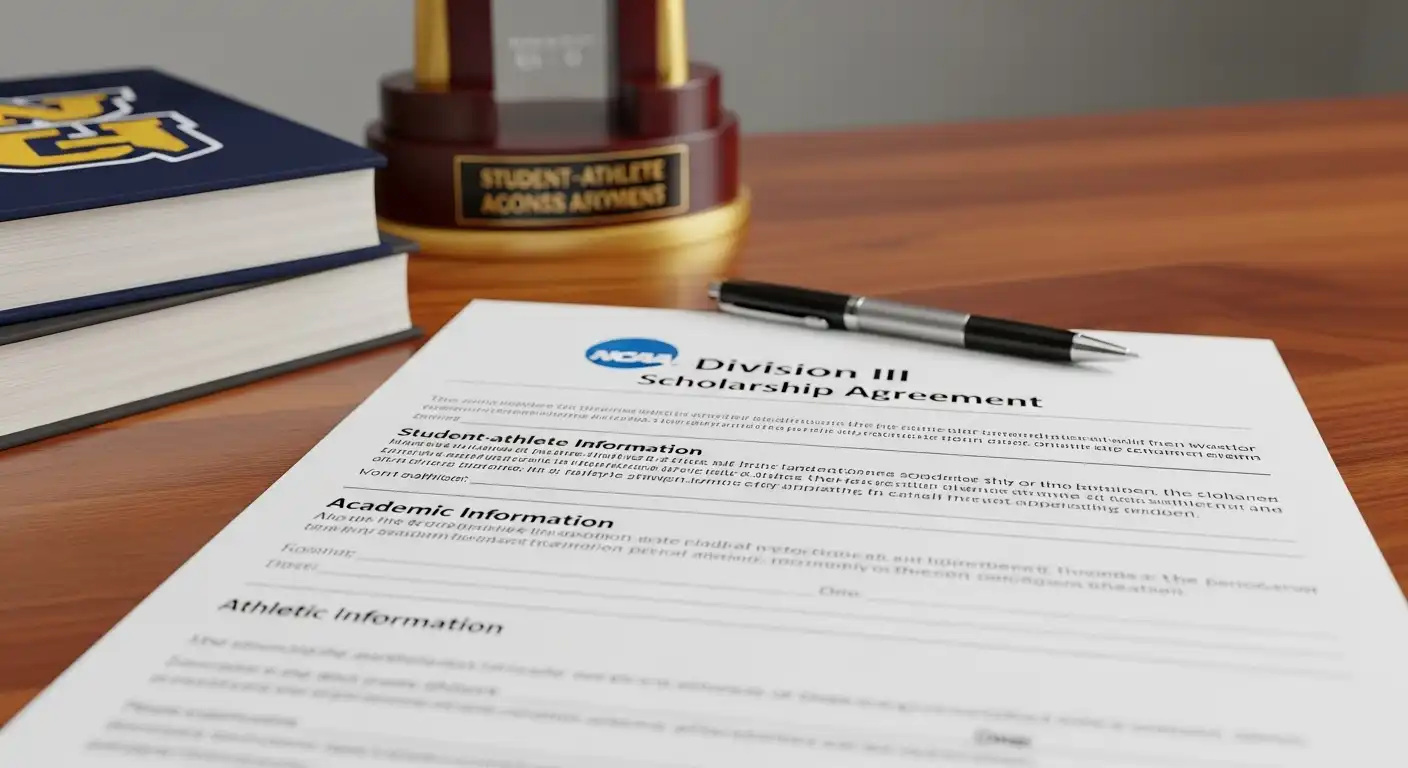
Understanding Division III Scholarships
Finding the right school among the three NCAA Divisions can feel like navigating a maze, especially when you’re pursuing a college education while playing your favorite sport at a competitive level. As a former student-athlete myself, I remember the exciting yet overwhelming endeavor of balancing my love for athletics with the reality of rising costs and tuition that seemed to climb every semester. The truth is, whether you’re an athlete or among the non-athletes, accessing higher education financially has become increasingly difficult in 2025. Prospective students often look to athletic scholarships to pay for school and cover various expenses, but when it comes to D3 Schools, the landscape shifts dramatically. This article is focused on DIII scholarships not to be confused with Division I or Division II schools and their financial assistance programs so if you’re considering a Division III school, this read will guide you through what to expect.
Understanding Division III Scholarships means recognizing what these schools truly value: quality competition, academic performance, and a holistic college community experience. Unlike DI and DII schools that require more dedication, time, effort, and rigor from their student-athletes in exchange for substantial pay through athletic scholarships, Division III institutions operate differently. Over 195,000 student-athletes call these programs home, where they compete at the collegiate level not for direct athletic funding, but for the opportunity to play their sport while still immersing themselves in campus life outside of training and games. These programs offering a good option for students who want to commit to their sport without sacrificing their broader college experience. If you’re sure you want to continue your athletic journey but need clarity on how Division III Scholarships work, understanding this unique model is essential before making your decision.
What Division III Schools Offer
However, here’s where things get interesting for students navigating the recruiting process: after you’ve been accepted to a Division III school, you cannot receive an athletic scholarship funded by the school itself at least not in the traditional sense that Division I and II athletes might expect. When I was exploring my options as a student-athlete, this reality initially felt discouraging, but I quickly learned that Division III institutions approach financial aid differently, and often more holistically. While you won’t see a direct athletic scholarship line item, students who attend these schools can absolutely earn substantial support through merit-based and need-based financial aid packages that cover a significant amount of college expenses. The key is understanding that your academic performance, leadership qualities, and overall contribution to the college community matter just as much as your abilities on the field or court.
What makes Division III Scholarships unique is how these programs value the complete student experience rather than isolating athletic achievement. Finding the right school among the three NCAA Divisions becomes less difficult when you’re sure about what you want: if you’re seeking demanding College sports that require serious time, effort, and dedication, but still desire the opportunity to be immersing themselves in activities outside athletics, then a Division III school presents a good option. Unlike DI and DII schools that impose greater rigor and often consume your entire college existence, these schools allow student-athletes to compete at a collegiate level that’s genuinely competitive with over 195,000 athletes calling these programs home while maintaining balance. The offering here isn’t just about how much money can pay for your education; it’s about quality competition, the chance to play your sport, commit to your team, and more importantly, experience a well-rounded college journey where you’re not defined solely by your athletic identity.

The Real Financial Picture at Division III Schools
Despite not receiving a traditional athletic scholarship, Division III athletes are still eligible to receive substantial financial aid packages through their school and honestly, when I dug deeper into this reality, I realized it often works out better than expected. Many DIII schools are private universities, which means they traditionally offer more merit-based scholarships than athletic scholarships, creating opportunities that reward your entire profile as a student. You will need to maintain a minimum grade point average while being a team member to keep their scholarships, but this expectation pushes you toward balance rather than singular focus. Furthermore, you can access funding from private scholarship sources like Bold.org, where student-athletes can even check out a curated list of opportunities designed specifically for athletes navigating the Division III landscape. In fact, the admissions committees at these schools review each student’s application holistically, looking not just based on athleticism and test scores but considering the complete person Students who demonstrate leadership experience, have participated in multiple extracurricular activities, remain dedicated to both their sports and studies, are great candidates for admission and generous aid.
If it turns out Division II doesn’t fit your needs or your circumstances have changed, why not take a chance on Division III athletics? Student-athletes here receive both merit-based and need-based aid to play soccer or another sport of their choice at the college level, creating pathways that honor academic excellence alongside athletic commitment. Even if the scholarship money offered at many of these institutions isn’t equivalent to a full athletic scholarship, don’t worry—there’s a multitude of benefits and a truly well-rounded college experience waiting for those looking for the best both sides have to offer. The beauty lies in how these programs allow you to pursue your passion without sacrificing your identity, giving you space to explore who you are beyond the field while still competing at a meaningful level.
Why DIII Doesn’t Offer Athletic Scholarships
Division III programs do not offer athletic scholarships because they emphasize a well-rounded, balanced college experience as opposed to one heavily focused on athletics and this philosophical difference shapes everything about the Division III model. Division III athletes still have the athletic ability to get competitive play and financial aid while attending college, but instead of direct athletic funding, student-athletes can receive merit-based or need-based support that rewards their complete profile. As a Division III student-athlete, I came to appreciate how academic performance is just as important as athletic prowess, creating an environment where you’re valued for more than your sport. Another practical advantage? Student-athletes play schools that are near their high school, which don’t require much travel, so Division III students don’t miss as many classes as they would as Division I or II athletes. To learn more about Division I scholarships and whether Division II schools give scholarships, feel free to check out our guides for deeper comparison.
As previously mentioned, student-athletes are assessed on academic performance as much as they demonstrate athletic skills, which is why high test scores and extracurricular activities remain important to have during the application process. Though these schools do not offer athletic scholarships, a Division III school will give students a more holistic experience when it comes to balancing athletics with robust academic programs, and you’ll still access meaningful financial aid. The system isn’t about denying your talent; it’s about ensuring you develop into a complete person who can thrive both on the field and in the classroom, preparing you for life beyond college sports in ways that purely athletic-focused programs sometimes overlook.
Exploring Your Options Beyond Athletics
If being a student-athlete is of interest to you but you also want to study abroad, participate in other student organizations, or explore diverse interests beyond your sport, a Division III school might be a great fit for your college journey. Division III schools still offer competitive programs with the chance to compete in 28 national championships, so consider your athletic future not as a limitation but as an expansion of possibilities. Many athletes study exercise science to improve their game and bolster future employment options if this path intrigues you, check out the top kinesiology programs available at various colleges that align with Division III values. The beauty of this system is that you’re never forced to choose between your passion for sport and your curiosity about the world; instead, you’re encouraged to pursue both with equal enthusiasm and institutional support.
Benefits of Being a DIII Athlete
In addition to developing a well-rounded college career, Division III student-athletes have a lot of perks to enjoy that often go unnoticed in conversations dominated by Division I glamour. Division III schools play in smaller regions, which allows student-athletes access to post-season tournaments without the grueling travel schedules that dominate higher divisions. While these institutions do not provide athletic scholarships, they still allow athletes to take Name, Image, and Likeness (NIL) deals, which can help them build their careers while they’re still in college—a game-changing opportunity in today’s landscape. Another benefit of choosing a Division III school is the availability of a strong financial aid package: Student-athletes may receive need-based aid and/or merit-based scholarships depending on how their college application presents their overall achievements. The competition for funding at elite athletic programs can be overwhelming, so if you heavily depend on need-based scholarships or financial aid to fund your studies, this model could be a great fit.
Even though DIII schools don’t directly give traditional athletic funding, there are other sources where you can find athletic aid. Bold.org stands out as one such platform for discovering full funding opportunities, offering hundreds of scholarship opportunities to students from all different backgrounds, across various fields of study, and with diverse extracurricular involvement. Athletes can even discover exclusive sports scholarships through this guide, ensuring that financial barriers don’t prevent you from pursuing your passion. The system rewards those who seek it out, proving that Division III pathways are rich with possibility for those willing to explore beyond traditional models.
How do DIII schools make offers?
How do DIII schools make offers, and what does the process actually look like for prospective athletes? Division III coaches have more leeway in contacting student-athletes than Division I and II coaches, which creates a more relaxed and accessible recruiting environment. You can email them at any point during high school without worrying about strict NCAA contact restrictions—ask them to come watch one of your games or matches, and many will genuinely consider it if their schedule allows. College coaches will verbally extend an offer for you to join their roster, and these offers can be made during a sports camp or an official visit, giving you multiple touchpoints to connect with the program and assess whether it’s the right fit. This flexibility removes some of the pressure that dominates the Division I and II recruiting cycles, allowing relationships to develop more organically between coaches and student-athletes.
Can you commit to a DIII school?
Can you commit to a DIII school? Absolutely yes, you can. Division III colleges will make an offer either prior to or after the college admissions process, and they will require you to officially accept your spot at the Division 3 school to secure your position on the team. College coaches are there to help you navigate through the recruiting process, and if you receive an offer, you’ll be able to sign a Commitment Letter on National Signing Day, marking your official pledge to the program. This commitment represents more than just an athletic decision; it’s a declaration that you’re ready to embrace the balanced, holistic experience that DIII institutions champion, where your identity extends far beyond your performance in competition.
What advantages do DIII athletes get?
What advantages do DIII athletes get, especially when the scholarship component isn’t part of the equation? Even without that traditional funding model, you still receive big perks from being a D3 athlete—like schools playing in smaller regions, which means less exhausting travel and more manageable schedules that don’t completely consume your academic life. Access to post-season tournaments remains robust, giving you legitimate competitive opportunities to showcase your skills and pursue championships. Division III schools also allow athletes to take Name, Image, and Likeness (NIL) deals, which can help them build their careers while they’re still in college a modern advantage that levels the playing field and lets you monetize your talent and personal brand just like athletes in higher divisions, proving that DIII doesn’t mean second-tier when it comes to opportunity and growth.